

This article is in partnership with NewSouth Books.
The theme for the 2026 International Women’s Day is “Balance the Scales”: a call to fight for fair and inclusive legal procedures for women and girls who are mistreated and traumatised by the very systems we rely on for justice.
In recent years, we have seen a rise in attacks on women’s rights across the globe, from the US overturning Roe v Wade and removing protection of women’s reproductive rights to Iraq legalising child marriages for children as young as nine.
In Australia, 1 in 5 women have experienced sexual assault or abuse since the age of 15, with the number of sexual assault victims reporting to police increasing at roughly 10% every year, yet the majority of sexual assault reports do not result in legal action.
Femicide is an ongoing crisis in this country, as is domestic violence. Aboriginal and Torres Strait Islander women are significantly more at risk, with First Nations women being 33 times more likely to be hospitalised due to family violence than non-Indigenous women. Yet, their perspectives continue to be ignored when issues like domestic violence are addressed — as noted by various Aboriginal-led organisations and experts who criticised new coercive control laws that could see Aboriginal women further marginalised, rather than protected, by the justice system.
Addressing the urgent need of a justice system that takes women and girls seriously and approaches them with care and safety, is work that requires long-term commitment. The sidelining of women in our justice systems is a feature, not a bug, and we can’t fix it in a day.
It’s easy to feel overwhelmed and not know where to start, so here are six books written by women authors which highlight the struggles women face in everyday life, especially in navigating systems designed to silence them.
Worthy of the Event by Vivian Blaxell
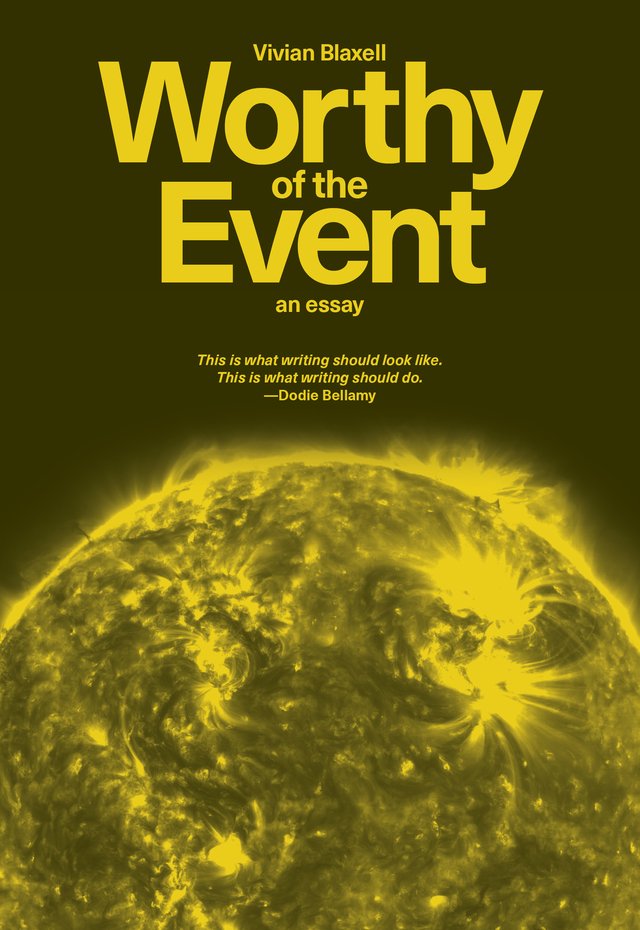
This lyrical and poetic collection of essays by trans writer Vivian Blaxell is a weird and wonderful foray into what makes us human and “worthy of the event”, as Blaxell puts it. The broad scope always hints at home, deftly jumping from discussions of sexuality, to niche philosophies, to transness, to Japanese history, to whatever rabbit hole Blaxell feels like falling down.
It comes at a time when trans women are at the centre of a culture war and gender-affirming care is under threat.
Crip Stories: An anthology of disabled writers – Edited by BS Windon, Laura Pettenuzzo, Misbah Wolf, Katie Hansord
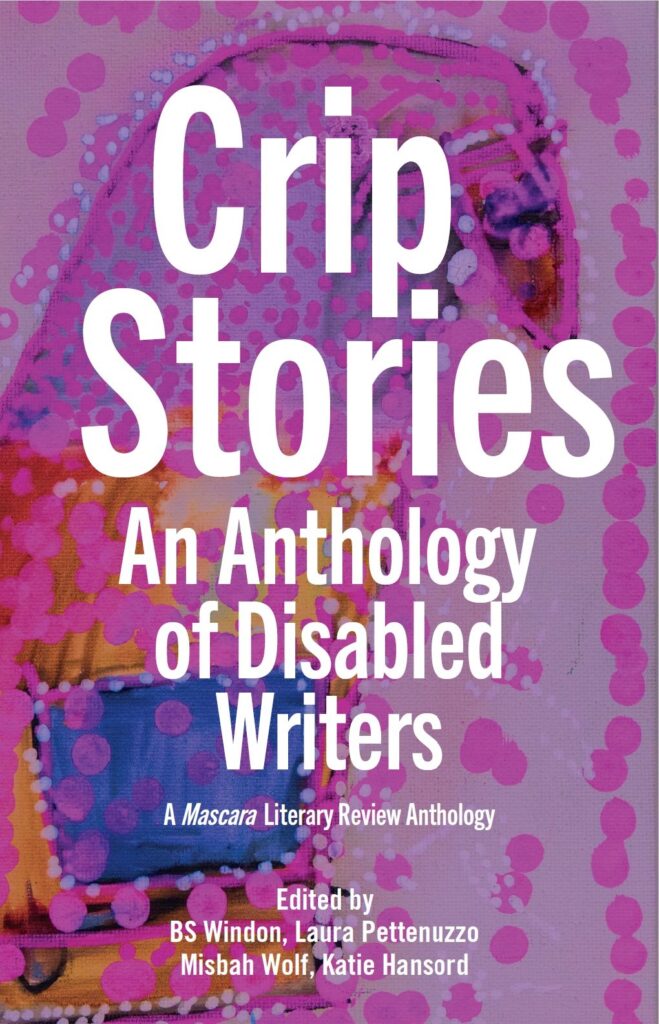
When we talk about the ways the health system fails women, we must centre disabled women who have always been at the forefront of this conversation. Crip Stories is an anthology of diverse experiences with disability from dozens of contributors (including Carly Findlay and Akii Ngo), spanning across genres and highlighting a vibrant array of experiences and personalities.
From narrative nonfiction to essays and poetry, there’s no shortage of work to resonate and inspire action.
Find Me at the Jaffa Gate by Micaela Sahhar
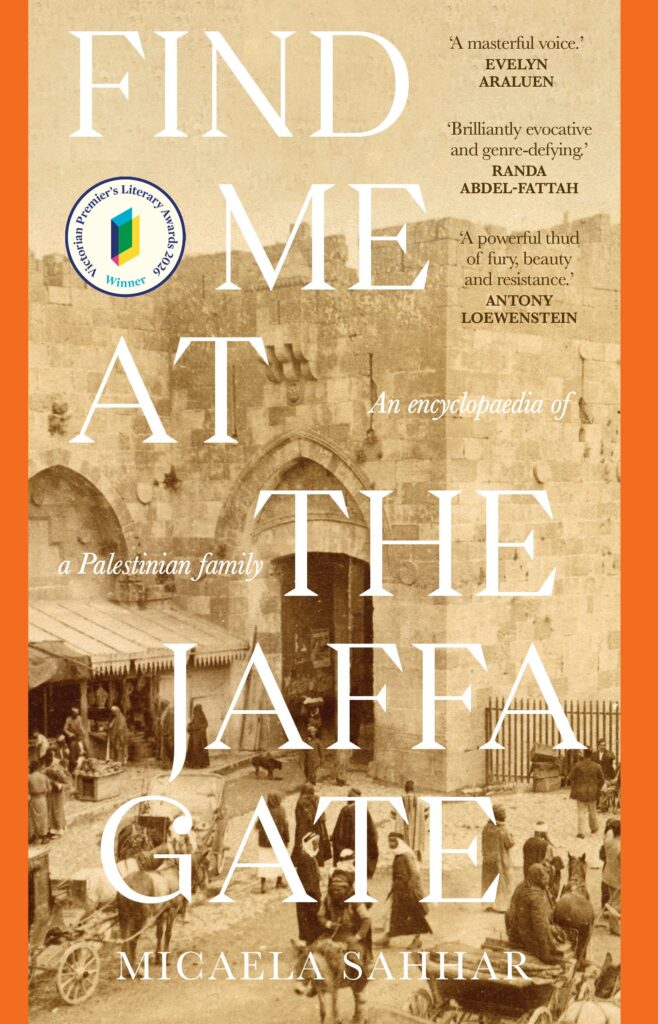
A tender and genre-defying chronicle of a family’s journey from the streets of Bethlehem to the winding alleys of Sydney, Find Me at the Jaffa Gate studies what it is that Palestinian children inherit from their parents. Breathtaking in its scope, it paints a picture of loss, hope and defiant survival.
Technically, this one is a memoir, but its poetic prose and vibrant characters feel like those of a novel. A great pick to read if you want to learn.
Tamarin by Priya Hein
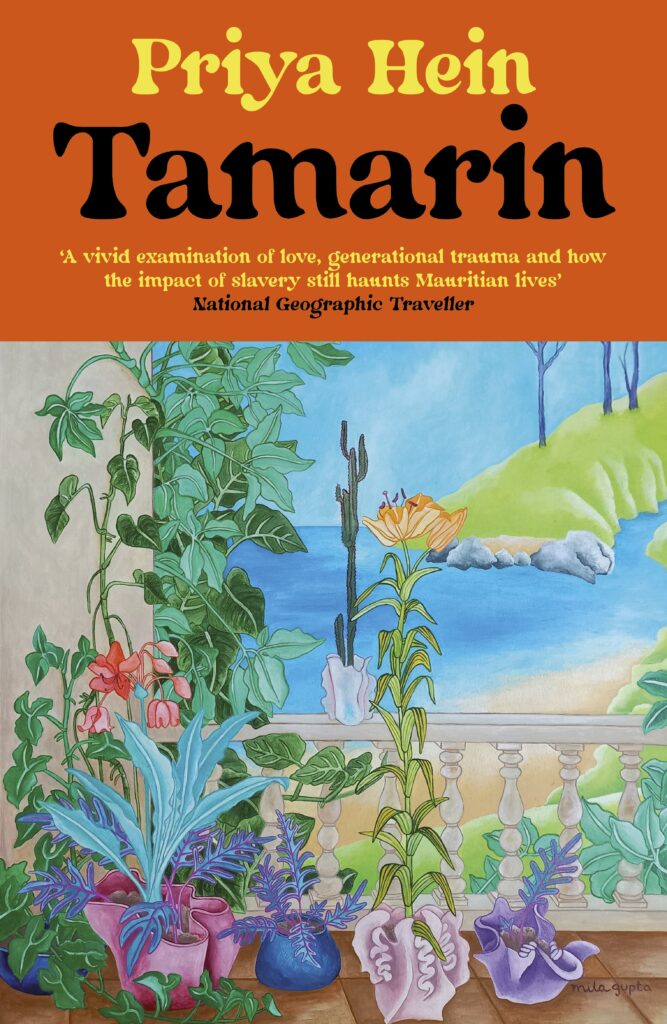
This beautiful and devastating novel explores the unspoken violences of colonialism that plague colonised people’s lands, bodies and minds over years and across seas.
Told from the perspective of a woman who has returned to her mother’s home in Mauritius after a traumatic event, Tamarin exposes the power systems colonisers have entrenched over generations and the helplessness this continues to instill in its victims long after their departure.
This is a harrowing read, and one that reminds us that there is still a long way to go before women as a global collective are awarded the justice that has so long been denied to them.
Inconvenient Women: Australian radical writers 1900–1970 by Jacqueline Kent
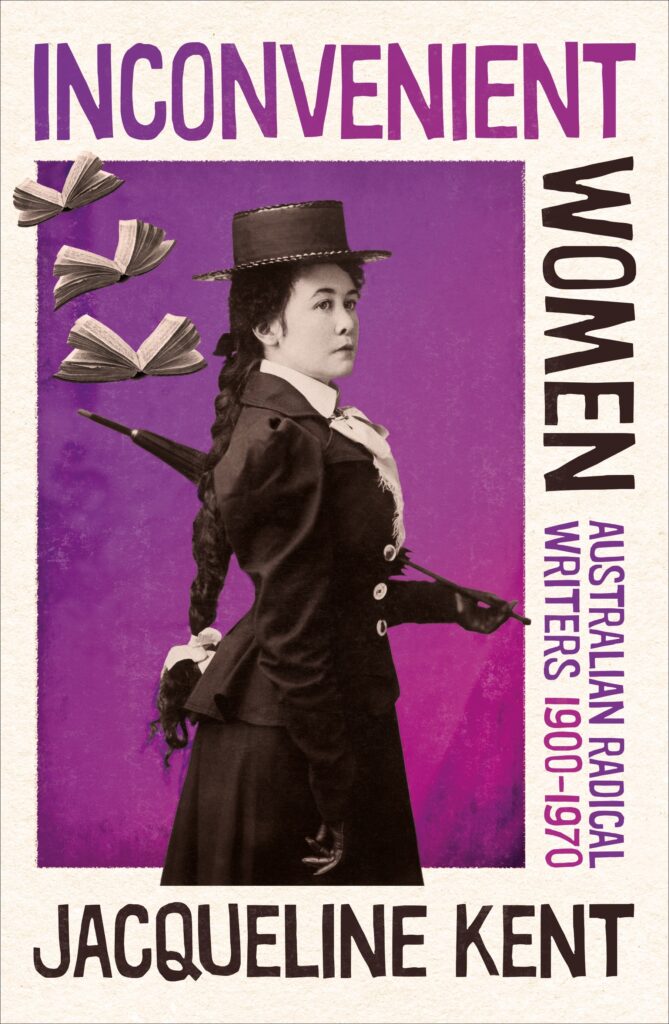
Feminists of the 1900s reshaped our world, but how many of these trailblazing women’s names do you know?
Biographer Jacqueline Kent traces the lives of seven 20th century Australian feminist figures including novelists, journalists, political activists and artists, and paints a picture of the lives they led and the women they were destined to become.
Yawulyu: Art and song in Warlpiri women’s ceremony
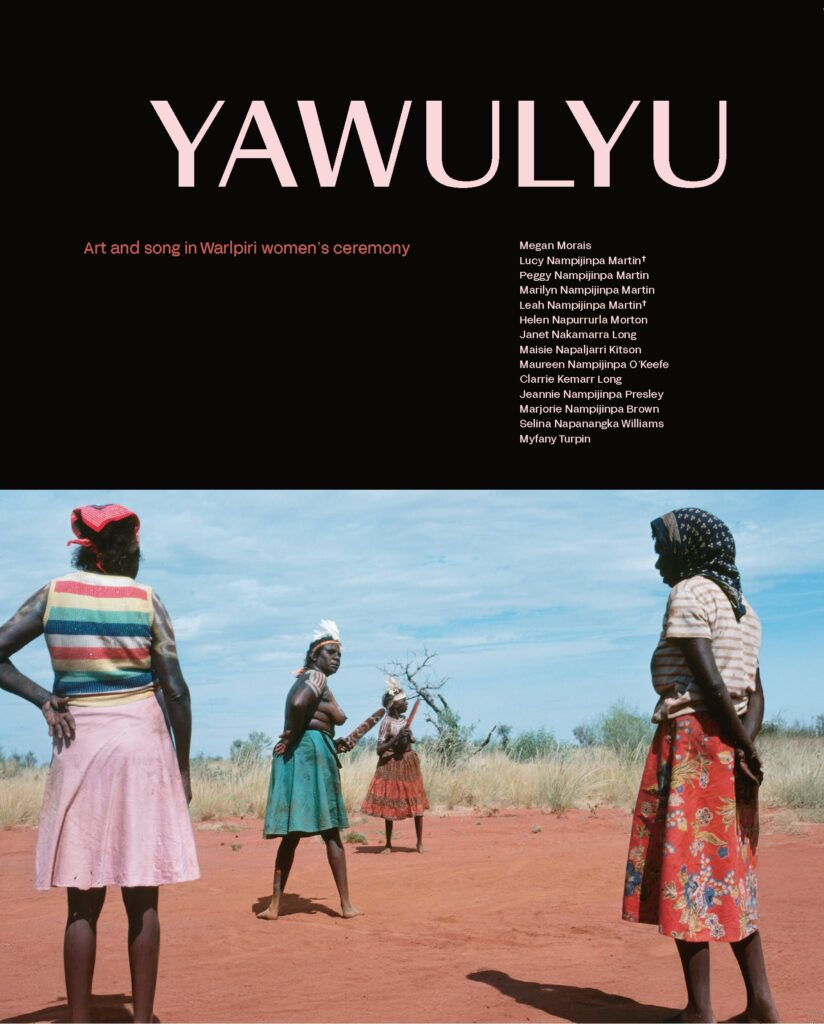
Aboriginal Australians have the oldest continuous living culture on earth. In Yawulyu, Warlpiri women generously share their songs, dance, music and art – precious cultural knowledge that is a privilege to read about. This International Women’s Day, let’s make sure to centre the voices of women who have walked these lands for time immemorial and survived invasion and genocide that, to this day, has never been truly been properly apologised for.