


Survival Day. Day of Mourning. Invasion Day. January 26 is a day that holds deep weight for Aboriginal and Torres Strait Islander peoples. It is a day of mourning, a day of reflection and honouring our resilience and our survival. It is a day for standing together in solidarity as mob. It is about our strength, our pride and our continued survival.
Every year, on January 26, I reflect on the strength of my ancestors and the legacy I carry from those who came before me. As a proud Wiradjuri and Western Arrernte woman, January 26 is not just a date on the calendar, it is a living reminder of what my people have endured and what we have refused to let destroy us. We have survived.
For most Aboriginal and Torres Strait Islander peoples, January 26 marks colonisation, dispossession, violence, and trauma inflicted on our communities. It represents the beginning of policies and systems designed to erase us as people, as well as our culture, our languages, our ways of being and belonging. The day brings the same debate, year after year. Calls to explain. To justify. To educate. To defend our pain and our traumas.
But for me, this day isn’t about winning an argument or debating our truth. It’s about recognising a truth that lives deep within me, a truth inherited from my ancestors. A truth written into my bloodline.

Survival is not a date. Survival is a practice. It is our way of life.
In my family, survival looks like stories passed down through generations, sometimes spoken, sometimes written, sometimes quietly carried quietly in the spaces between words. It lives in the silence where trauma sits, in the memories of pain my family has endured just to exist. Survival looks like resilience – it’s in our laughter that has outlived unimaginable grief, in the strength of our matriarchs, who are the backbone of our families and communities.
Our strong and staunch women fought to keep families together when systems were designed to tear them apart. They grieved children taken from their arms, while still finding the strength to love, to nurture, to survive. That love carried us through moments history books don’t always record.
I stand on the shoulders of giants, my Elders and ancestors who survived things I will never fully comprehend. Elders who fought for spaces so I could walk into rooms they were once locked out of. Community leaders who carried unbearable weight so the next generation might carry less. Their survival is the reason I am here. My survival exists because they refused to back down. Because they never ever gave up.
Survival today looks like having a voice. It looks like speaking truth, so our stories are told. It looks like walking into spaces where our voices were once excluded, where decisions were made about us, not with us. It looks like telling stories that honour our Elders and ancestors and ensuring their legacy continues through us as the next generation of strong leaders and storytellers.
Being a voice for my family, my community and my mob is a big responsibility that I carry with pride. I speak because it’s my duty as a proud and strong First Nations woman. There are days when that responsibility feels heavy. When the emotional labour of educating others feels relentless and tiring.
January 26 asks a lot of First Nations people. It asks us to revisit our trauma and to explain pain that is often dismissed or misunderstood.
For me, January 26 is about acknowledging the trauma we carry, the intergenerational trauma that still impacts our families today. But it is also about honouring my ancestors by continuing to stand strong. It is about pushing forward for our young ones, knowing that one day someone will stand on my shoulders too and I want them to inherit a world grounded in truth, understanding, safety and respect.
Survival is showing up for our families and communities. Survival is staying strong for our kids. Survival is telling our stories and passing down the knowledge and wisdom gifted to us by our Elders. Survival is speaking our truth.
I use my voice because I was carried here by many others.
That, to me, is what survival looks like.
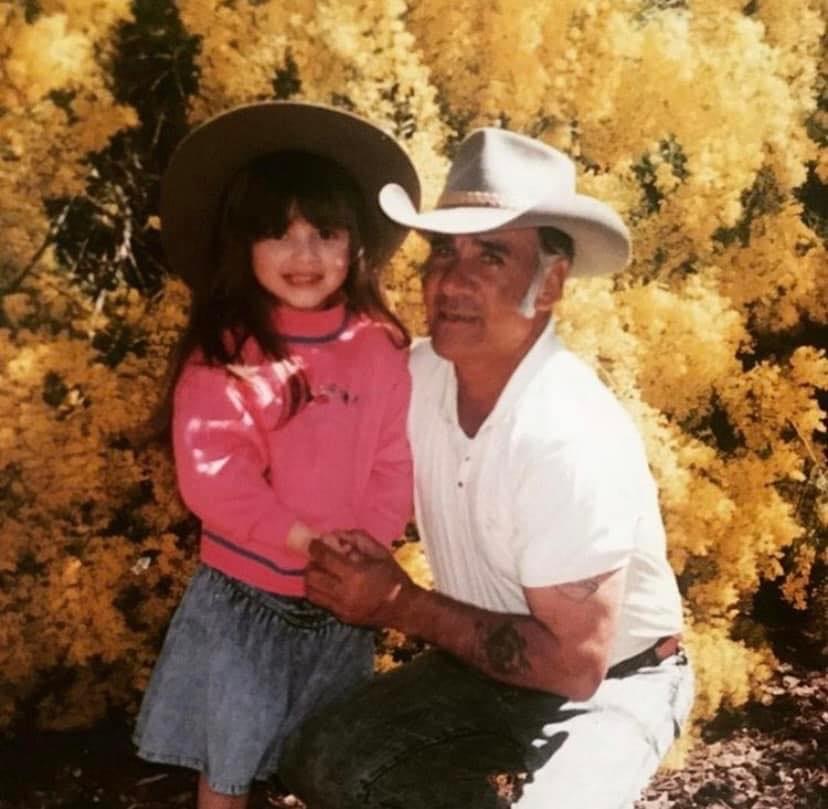
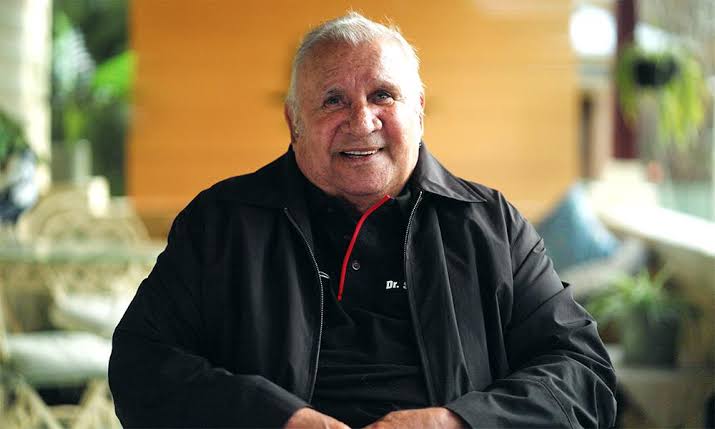
One of the giants whose shoulders I stand on is my pop, Stan Grant Snr. Through his tireless work reclaiming and reviving our Wiradjuri language, he showed me that survival is about protecting our culture and knowledge and making sure our language is kept alive and thriving for generations to come. His lifetime of work is his gift to our people and our country.
Through him, I learned that survival sounds like language spoken again after generations of silence. It can live in our homes, in classrooms, in community spaces and in everyday conversation. Language reconnects us to Country, to culture and to our ancestors. It reminds us of who we are and what land we belong to. His struggles throughout his life only made him more determined to help his people and to teach us our language so we can be strong in our identity and culture. Our language has survived because of him and other Wiradjuri Elders that assisted him, including his brothers and sisters. That’s my legacy.
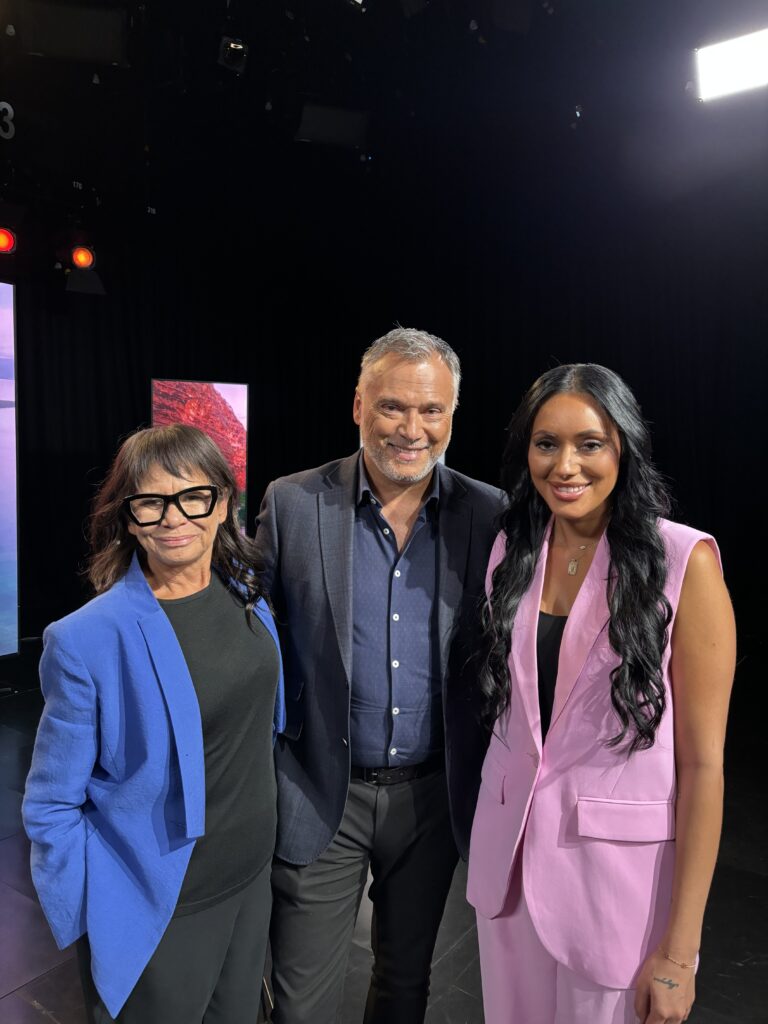
Another giant whose shoulders I stand on is Aunty Rhoda Roberts AO, a strong, staunch and proud Widjabul Wia-bul woman of the Bundjalung Nation. Aunty Rhoda is a trailblazer, a cultural leader and a fierce advocate for First Nations storytelling and culture as a producer, artistic director, journalist, actor and Elder. Aunty Rhoda has dedicated her life to creating space for our stories to be told and heard truthfully, unapologetically and on our own terms. Her work reminds me that survival is also about visibility, about ensuring our voices are not just heard, but respected worldwide as the world’s oldest living culture.
She has shown generations of our people that our stories belong on the biggest stages and at the centre of this nation’s cultural landscape. Her leadership is a reminder that survival is about keeping our culture strong and showcasing who we are as a people, to tell our stories with truth and pride. She also has taught us how to be strong leaders and given us the nurturing and guidance as the next generation to continue to push through barriers and keep the legacy alive – the legacy that she and so many other Elders have fought so hard for.
Survival Day is about the present that we are navigating and the future we are shaping for our young people. It is about continuing to survive as proud First Nations people and passing on our culture and knowledge to the next generation. It’s about honouring our Elders and ancestors.
January 26 is a reminder that we are still here. Still surviving. And we will continue to do so, not just on this day, but every day.
Top photos – Supplied/Lowanna Grant and additional design by Missing Perspectives